

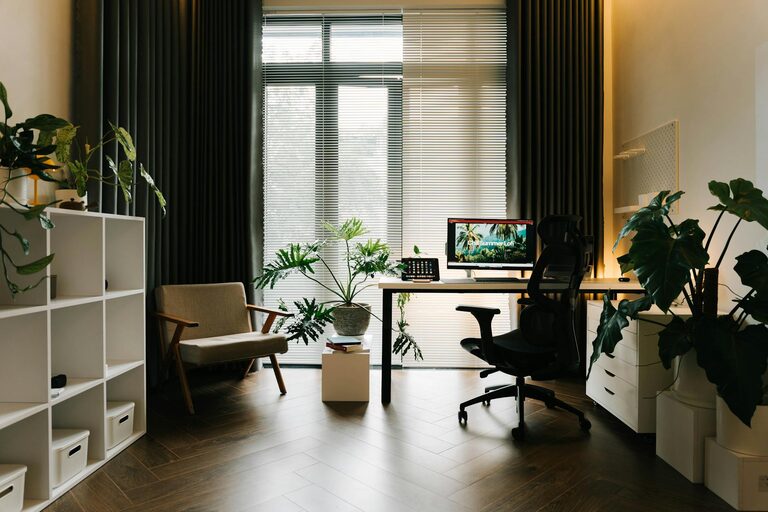
Creating a cozy and functional home workspace can make a significant difference in your productivity and overall well-being. Whether you work remotely full-time or occasionally need a quiet spot to tackle tasks, a well-designed area promotes focus, comfort, and creativity. Below are practical tips to help you build a workspace that feels welcoming and works efficiently for your needs.
Choose the Right Location
Selecting the best spot in your home is the first step to an effective workspace.
– Natural Light: Position your desk near a window if possible. Natural light boosts mood and reduces eye strain.
– Quiet Corners: Pick a low-traffic area to minimize distractions.
– Space Availability: Ensure the space fits your desk, chair, and any tools you need without feeling cramped.
If you don’t have a dedicated room, consider a corner of your living room or bedroom, but use room dividers or shelves to create separation.
Invest in Comfortable Furniture
Your chair and desk are the foundation of comfort and productivity.
– Ergonomic Chair: Choose a chair that supports your back and encourages good posture.
– Desk Height: Use a desk that allows your arms to rest at a 90-degree angle when typing.
– Adjustable Options: If possible, consider a sit-stand desk for flexibility during long work sessions.
Comfort reduces physical strain and helps you work longer without fatigue.
Create Effective Lighting
Good lighting is essential for reducing eye strain and keeping energy levels up.
– Layered Lighting: Combine ambient, task, and accent lighting.
– Desk Lamp: A focused lamp with adjustable brightness is great for work close-ups.
– Soft Bulbs: Use bulbs that mimic daylight to decrease harsh shadows.
Avoid placing your computer screen directly opposite a window to reduce glare.
Organize Your Workspace
A clutter-free area encourages more focus and less stress.
– Storage Solutions: Use shelves, filing cabinets, or drawer organizers to keep supplies tidy.
– Minimal Essentials: Keep only frequently used items on your desk.
– Cable Management: Use clips or sleeves to keep cables from tangling and crowding your space.
Regularly declutter your workspace to maintain an organized environment.
Add Personal Touches
Making your workspace inviting can boost motivation and comfort.
– Plants: Small indoor plants bring freshness and calm.
– Artwork or Photos: Add inspiring images or personal photos.
– Cozy Textiles: Use a soft rug or cushions to add warmth.
Just be careful not to overdo decorations that might become distractions.
Use Technology Wisely
Equip your workspace with tools that enhance productivity without clutter.
– Monitor Stands: Elevate screens to eye level.
– Noise-Canceling Headphones: Useful in noisy environments.
– Wireless Devices: Reduce cable clutter with wireless keyboards, mice, or chargers.
Keep tech devices charged and within easy reach for convenience.
Maintain Good Air Quality
A fresh environment supports alertness and comfort.
– Ventilation: Open windows when possible.
– Air Purifiers or Fans: These can improve airflow and remove allergens.
– Non-Toxic Materials: Choose furniture and decor made with low-VOC materials.
A well-ventilated space can help prevent fatigue and headaches.
Incorporate Break Zones
Encouraging short breaks helps your mind stay fresh and productive.
– Comfortable Seating: Add a reading chair or small sofa nearby.
– Hydration Station: Keep water and healthy snacks accessible.
– Relaxation Items: A small shelf with books or calming objects can encourage mental breaks.
Taking breaks can boost creativity and reduce burnout.
Maintain Routine and Boundaries
Even the best workspace won’t work without healthy habits.
– Set Work Hours: Try to keep consistent start and finish times.
– Limit Distractions: Use apps or settings to block unnecessary notifications.
– Separate Workspace Use: Avoid using your workspace for leisure to maintain productivity focus.
Creating clear boundaries between work and personal life helps sustain your work-from-home success.
—
A cozy, well-planned home workspace blends comfort with practicality. With thoughtful choices in location, furniture, lighting, and organization, you can enjoy a productive area that supports your goals and well-being. Whether you’re designing from scratch or optimizing an existing spot, these tips will help you create a space where you love to work.