

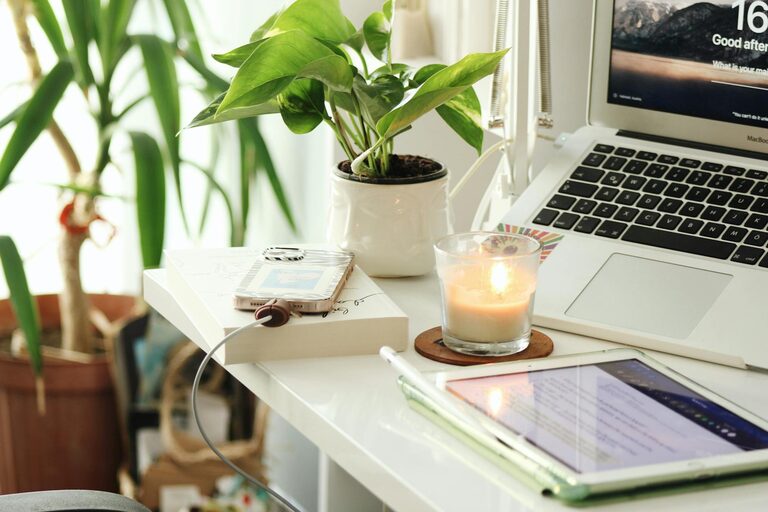
Creating a cozy and productive home workspace is essential for anyone working remotely or spending time on personal projects at home. A well-designed workspace can enhance focus, reduce stress, and make your work hours more enjoyable. In this post, we’ll explore simple yet effective strategies to help you build a home office that feels inviting and supports your productivity.
Why a Cozy Workspace Matters
Working from a comfortable and personalized area can improve your mood and efficiency. When your workspace feels cozy, you’re more likely to enjoy spending time there, which encourages longer, focused work sessions. Additionally, a productive setup keeps distractions at bay and helps you maintain a healthy work-life balance.
Choosing the Right Location
Start by selecting the ideal spot in your home for your workspace. Consider these points:
– Natural light: Position your desk near a window if possible. Natural light boosts mood and helps prevent eye strain.
– Noise level: Find a quiet corner or use noise-canceling headphones if your home environment is busy.
– Space: Ensure there’s enough room for your desk, chair, and any additional equipment or supplies you need.
Selecting Comfortable and Functional Furniture
The foundation of a cozy workspace is comfortable and ergonomic furniture.
– Desk: Choose a desk that fits your needs and available space. Adjustable desks can be great for alternating between sitting and standing.
– Chair: Invest in an ergonomic chair that supports your back and promotes good posture.
– Storage: Use shelves, drawers, or organizers to keep your materials tidy and within reach.
Personalizing Your Workspace
Adding personal touches can make your workspace feel warm and inviting.
– Colors: Use calming, neutral colors or your favorite hues to inspire creativity and comfort.
– Decor: Incorporate plants, artwork, or photos to create a pleasant environment.
– Lighting: Use lamps or string lights to add softer lighting options for evenings.
Organizing for Efficiency
A clutter-free desk helps minimize distractions and streamline your workflow.
– Declutter regularly: Set aside time each week to tidy your workspace.
– Use organizers: Drawer dividers, pen holders, and cable management tools keep everything in its place.
– Digital organization: Keep your computer desktop and files organized to save time and reduce stress.
Setting Boundaries and Routine
Creating a routine and clear boundaries can help maintain focus throughout the workday.
– Set work hours: Define clear start and end times to separate work from leisure.
– Take breaks: Schedule regular breaks to rest your eyes and stretch.
– Limit distractions: Inform family or housemates about your work hours and minimize phone or social media interruptions.
Incorporating Wellness Elements
Taking care of your physical and mental well-being supports long-term productivity.
– Movement: Include a spot for light stretches or quick exercises.
– Hydration and snacks: Keep water and healthy snacks nearby.
– Air quality: Use air purifiers or open windows to keep fresh air circulating.
Tech Tips
Effective technology complements your workspace and work style.
– Reliable internet: Ensure your connection is stable and fast.
– Accessories: Use external keyboards, mice, or monitors to improve comfort.
– Backup: Regularly back up your work to prevent data loss.
Final Thoughts
Designing a cozy and productive home workspace is about balancing comfort and organization. Tailoring your environment to your preferences and work habits can greatly enhance your work experience. Remember, small changes can make a big difference in how you feel and perform during your workday.
By following these tips, you’ll create a space that not only looks appealing but also supports your goals and well-being. Happy decorating!